Homecoming tends to center around higher-ed but there are plenty of interesting high school homecoming theme ideas your team can use to make your 2026 homecomings truly memorable!

Anwesha Kiran
Published:
April 10, 2026
Updated:
April 15, 2026

Discover AI Summary
• Prioritize inclusivity and ease of participation when choosing a theme: The most successful homecomings ensure everyone feels welcome to join in, often by picking themes that do not require expensive costumes or complex preparations, directly boosting engagement and school spirit.
• Centralize all event information on one dedicated page: Having a single, go-to source for schedules, dress-up days, tickets, and updates significantly reduces confusion and saves your team from repeatedly answering the same questions, streamlining event management.
• Simplify your RSVP and ticketing process with one system: Ditch manual tracking for a unified platform that gives you real-time attendance numbers, making planning smoother and helping you avoid last-minute surprises for better event logistics.
• Consider themes that naturally foster community and alumni connection: Ideas like "Around the World" or a simple "School Colors Night" can unite current students and bring back alumni, reminding them of shared traditions and building a stronger community that supports long-term engagement.
• Plan for clear, consistent communication with all attendee groups: Remember to send targeted reminders and updates to students, parents, and alumni, ensuring everyone gets the information they need without being overwhelmed, which is vital for maximizing turnout.
• Think beyond just decor to the full event experience: A great theme guides everything from music and photo opportunities to small activities, creating a cohesive and memorable event that feels special and encourages attendees to share their experiences.
Homecoming is one of the most anticipated events of the school year for both students and alumni. Picking the perfect high school homecoming theme means balancing what attendees are excited about with what your school can realistically pull off on budget. The goal is simple: create an experience people will remember.
Planning your theme early makes that much easier. It gives you more time to organize everything smoothly and avoid last-minute surprises. To help you get started, we’ve put together 20+ high school homecoming themes ranging from classic and elegant to trendy, easy to pull off and unique.
Classic themes are a mainstay for homecoming week. They’re visually rich, they age well, and alumni can connect with them just as easily as current students, which makes them a smart pick if you want homecoming to feel like a true community event.
A night sky theme is one of the most enduring homecoming themes, and it's easy to see why. Dark blue drapes and shimmering lights can transform almost any gym or hall into something that feels magical without requiring a massive budget.
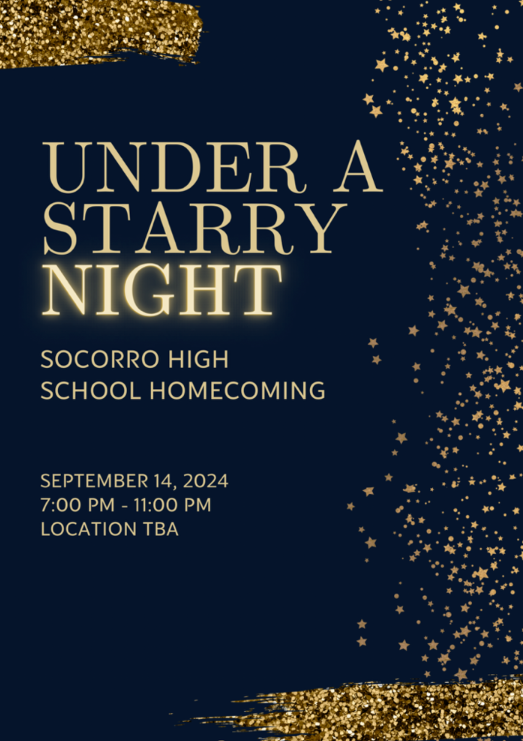
Both Lincoln High School in Nebraska and Socorro High School in Texas ran 'Starry Night' themed homecomings in 2024, leaning into deep blue and silver palettes, complete with photo booths. The theme works across different school sizes and budgets, which is a big part of why the theme is here to stay.
Why it stands out: It's romantic, timeless and photographs well, which makes it a win. Done well, it is a very shareable theme for social media, which boosts engagement with your events.
Decor ideas:
A Hollywood theme holds the potential to give every attendee their A-list moment. It’s high-energy, glamorous, and everyone knows what to wear and how to act when there's a red carpet involved.
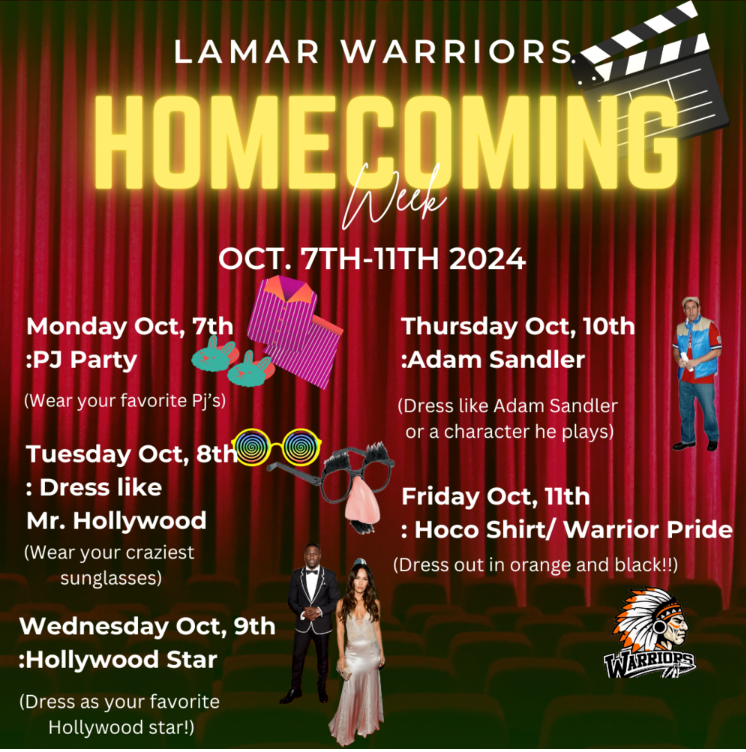
Lamar High School made Hollywood the centerpiece of their 2024 homecoming, building spirit week dress-up days around students channeling their favorite stars. The theme gave every student a chance to feel like a million dollars!
Why it stands out: It's flexible enough to work for spirit week (dress as your favorite celebrity one day, arrive at the dance like you're walking into the Oscars the next), which keeps things exciting and new even while being on-theme.
Decor ideas:
“Enchanted forest” is a theme that can transform a school gym into something that feels straight out of a storybook. Decorations can be as simple or elaborate as your budget allows, and the theme still comes across clearly. You could go for fairy tale elements, a more natural woodland look, or something in between, tailored to your school’s style.

Herndon High School in Virginia took this theme for their 2025 homecoming, incorporating nature-inspired floats in the parade and floral decor throughout the week, proving that the concept carries through spirit week activities as well as the dance itself!
Why it stands out: It feels immersive because of the fantasy element and also lends itself beautifully to photography.
Decor ideas:
A masquerade theme introduces an air of mystery to a regular homecoming week. Masks are an accessory to look forward to, and the Venetian inspiration lends to striking decor in almost any venue.
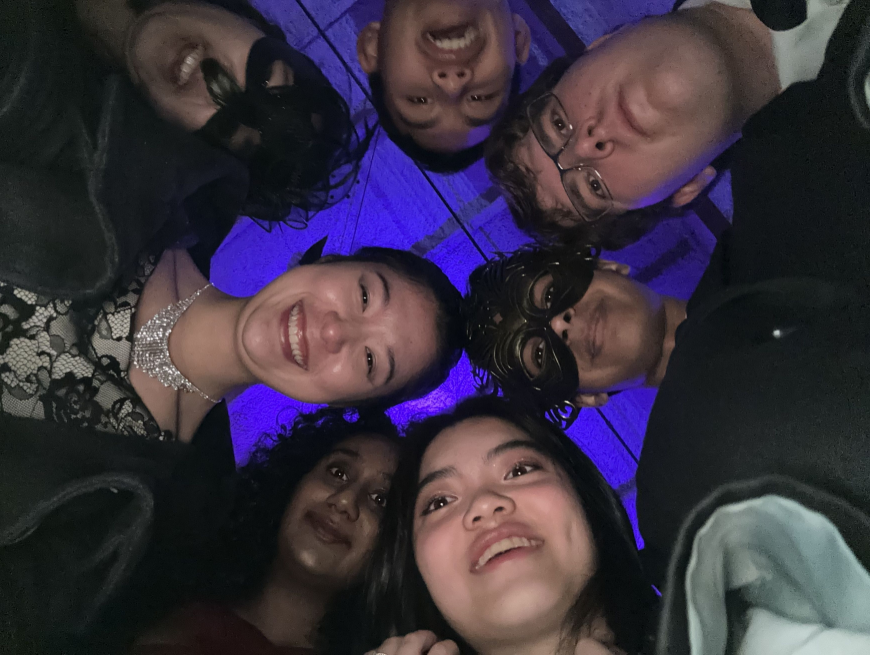
Fremont Christian School in California ran a masquerade-themed homecoming dance in 2024, leaning into the mystery and elegance of the format.
Why it stands out: It's inherently formal and visually unique. Even those who don't go all-out on their outfit can look the part with just the right mask. It also doubles well as a semi-formal or formal event.
Decor ideas:
Retro themes have been making a comeback, something reflecting on student culture right now as well. Driven by the wave of nostalgia running through fashion and social media, these ideas tap directly into that energy, making them some of the best themes to get excited about.
A decade-hopping retro theme is an energetic format for homecoming week. You can draw inspiration from the decades related to past generations of students, incorporating music, fashion, and popular trends from each era.
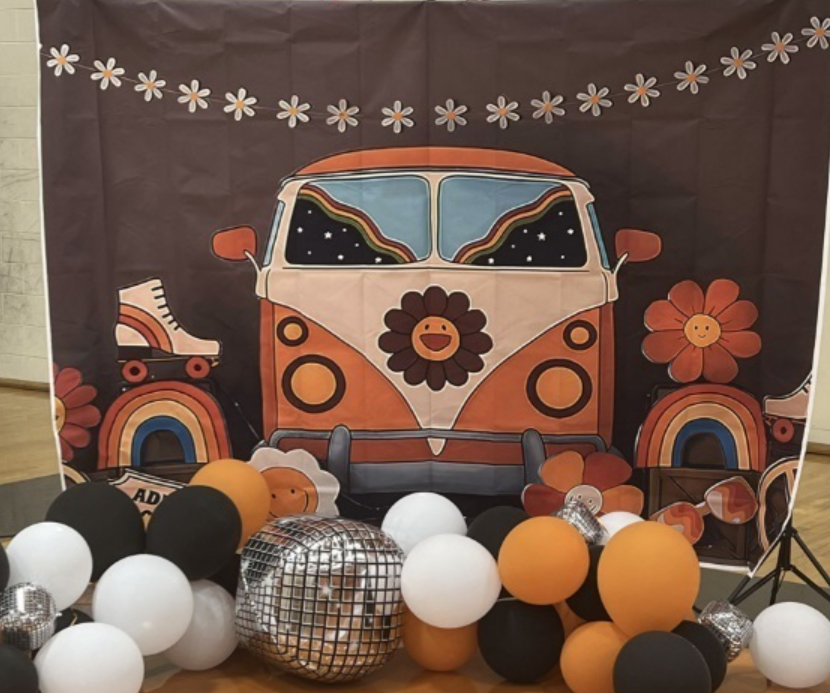
Artesia High School in New Mexico themed their entire 2024 homecoming week around "Groovin' into HoCo," running decade-dedicated dress-up days from the '60s through the '00s, complete with an enchilada supper, bonfire, parade, and assembly.
Why it stands out: It's extremely flexible. Every student can find a decade they connect with, whether it's flower-power '60s, disco '70s, or MTV '80s.. And because most of the "costume" is just clothing, there's almost no financial barrier or prior planning, increasing participation.
Decor ideas:
Leather jackets, sock hops, and drive-in vibes: the 1950s and 60s are full of ideas that can easily be incorporated into a homecoming theme. The looks are fun, accessible, and lend themselves naturally to a full week of themed activities.
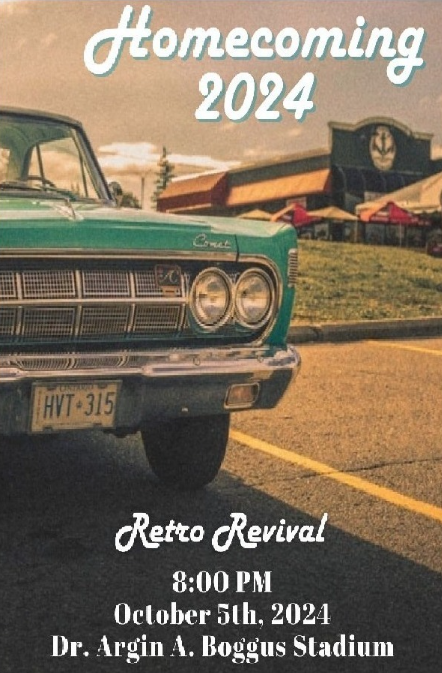
Tavares High School in Florida ran a 'Retro Revival' homecoming in 2024, planning their spirit week around decade-specific themes. The day-by-day format kept students engaged all week, with a retro aesthetic tying everything together.
Why it stands out: It tends to have high dress-up participation because the looks are fun and easy to create. The costume options are wide enough for everyone to find something they're comfortable wearing.
Decor ideas:
The early-2000s nostalgia wave isn't slowing down any time soon! From butterfly clips to shiny tech-inspired accessories, Y2K is having a full cultural moment and high school students are very much along for the ride. There's also a fun generational connection when teachers, parents and alumni join in, having lived through these moments themselves.
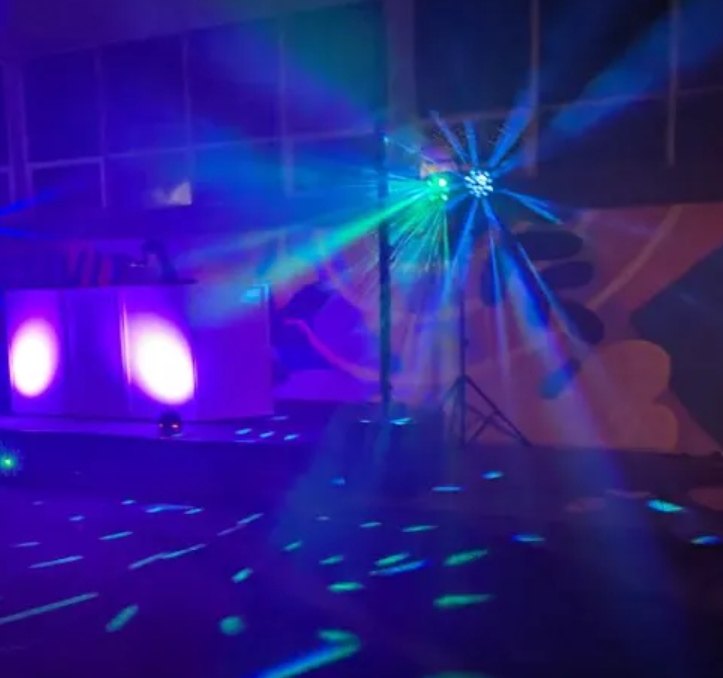
Sunset High School in Portland ran a Y2K homecoming in 2024.
Why it stands out: It reflects what's trending on social media and in fashion right now, which means attendees can simply pick items from their wardrobe and create their costumes.
Decor ideas:
A neon or glow theme turns any venue into a high-energy, visually electric experience. UV black lights do most of the heavy lifting, which makes this a surprisingly easy theme to execute well.
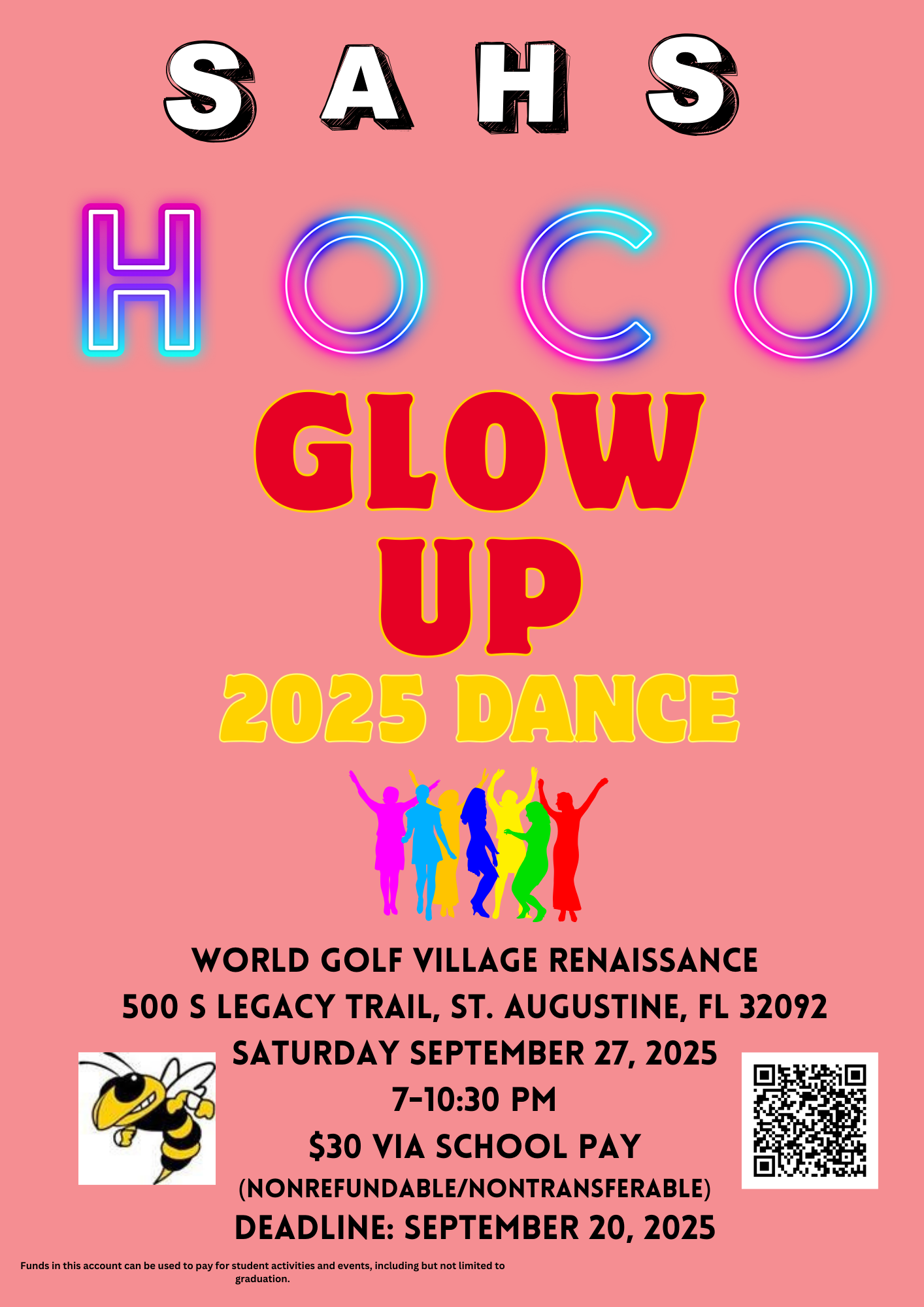
St. Augustine High School in Florida made their 2025 homecoming theme 'Neon Glow Up!', hosting the dance at a local hotel to add an upscale feel to the vibrant concept. Taking the theme off school grounds gave it an elevated atmosphere.
Why it stands out: Neon and glow accessories are easy to find, so attendees at every budget level can fully participate. The visual impact in photos is also huge, which drives social sharing and school spirit.
Decor ideas:
The best homecoming themes don't need to be expensive ones. These ideas require no elaborate venue transformations and those attending can put their look together from things they already own.
A western theme works because it builds the week around something attendees can dress for without spending a dime. Flannel, boots, denim, and cowboy hats are already in most wardrobes.
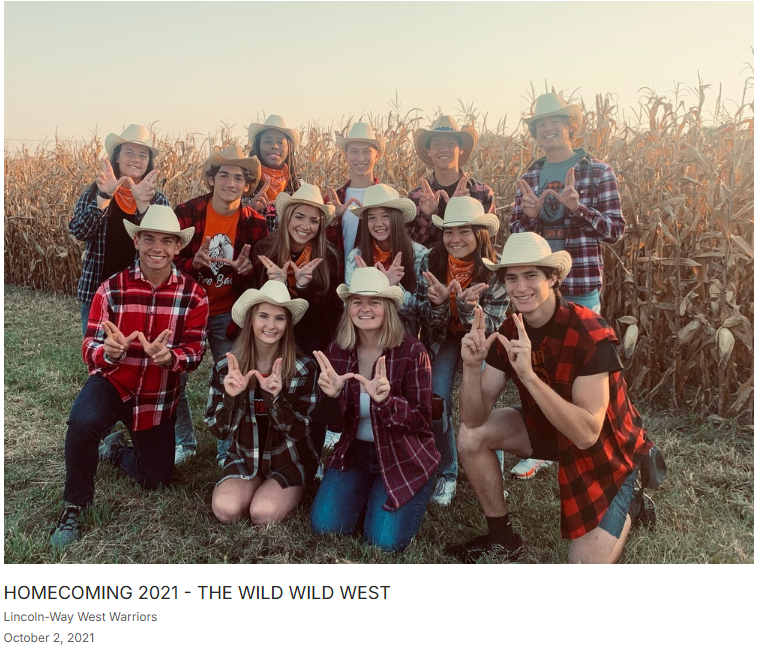
Lincoln-Way West High School in Illinois ran a "Wild Wild West" homecoming week, with flannel day, class color day, and a western-themed spirit day leading into a Friday night game. The dance itself was held off-campus at a local commons, with food trucks adding to the casual, community feel of the event.
Why it stands out: When those attending don't need to buy anything to create looks around the theme and participate, attendance goes up across the board.
Decor ideas:
A music festival theme is flexible enough to run all week across different genres: country, hip-hop, pop, throwback, while keeping a concept that ties everything together. It is essentially a theme with the spirit week inspiration built-in.
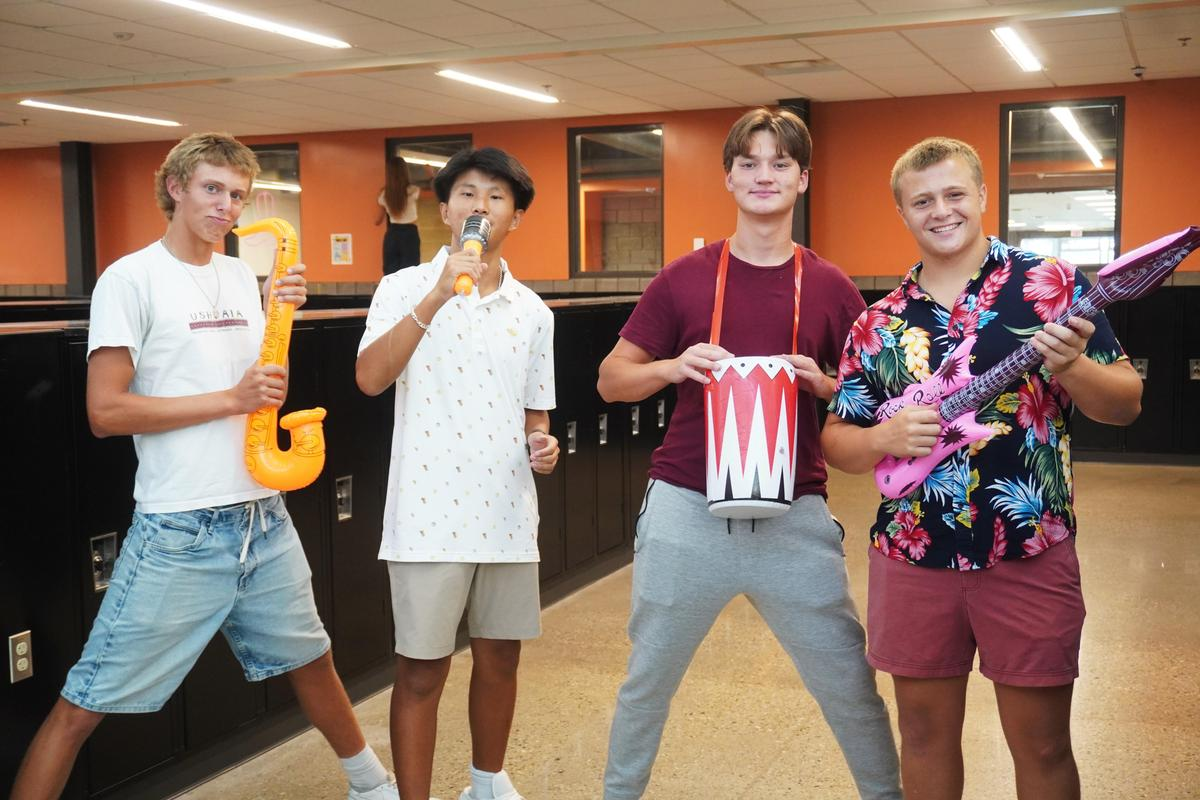
Thornapple Kellogg High School in Michigan made their 2024 homecoming theme 'TK Palooza', with each spirit day dedicated to a different music genre: Country Day, Hip Hop Day, Pop Music Day, and Throwback '60s Day. The school-wide rollout extended the theme across all grade levels, making it a community-wide event pulled off with a low budget.
Why it stands out: Every student has a musical genre they love, which means every student can find a day they're excited to dress for. It keeps the week feeling fresh, without needing expensive venue transformations.
Decor ideas:
The denim-and-diamonds concept is a smart budget theme because it pairs something everyone owns (denim) with glamorous accessories. It’s elevated but at the same time accessible.

Why it stands out: Attendees can wear their own jeans and elevate the look with jewellery or sparkly accessories. There is no formal wear required, in fact, the contrast between casual and glam is the whole point.
Decor ideas:
This theme is the one to pick for schools that want an accessible, fun dress code that still photographs well and feels like a proper event. It's a great pick if your student body is mixed on how formal they want things to be.
Sometimes the simplest idea is the best one. A school colors night strips the theme back to its most essential element: pride in your own school.
Why it stands out: Participation is essentially guaranteed. Every student owns something in their school colors, which means no one is left out for financial reasons. It also doubles as a lead-in to the Friday night game, keeping energy high all week.
Decor ideas:
Homecoming already falls in autumn, so leaning into the season is an easy creative decision. A rustic fall theme ties the event to the season and delivers a warm, inviting atmosphere that works with almost any venue.
Why it stands out: The dress code is accessible: flannel shirts, boots, denim, and cozy layers are things folks already own. There’s no shopping required, which means higher participation across income levels. The aesthetic also scales naturally: it looks just as good in a school gym as it does in a rented hall, which keeps anticipation high.
Decor ideas:
Some schools want their homecoming dance to feel distinctly formal: a step up from the usual school social. These themes are designed to set that tone from the moment guests walk in the door.
A galaxy-inspired formal theme takes the classic 'stars' concept and gives it a more sophisticated, high-design treatment. The vision: a ballroom that looks like the inside of a planetarium.
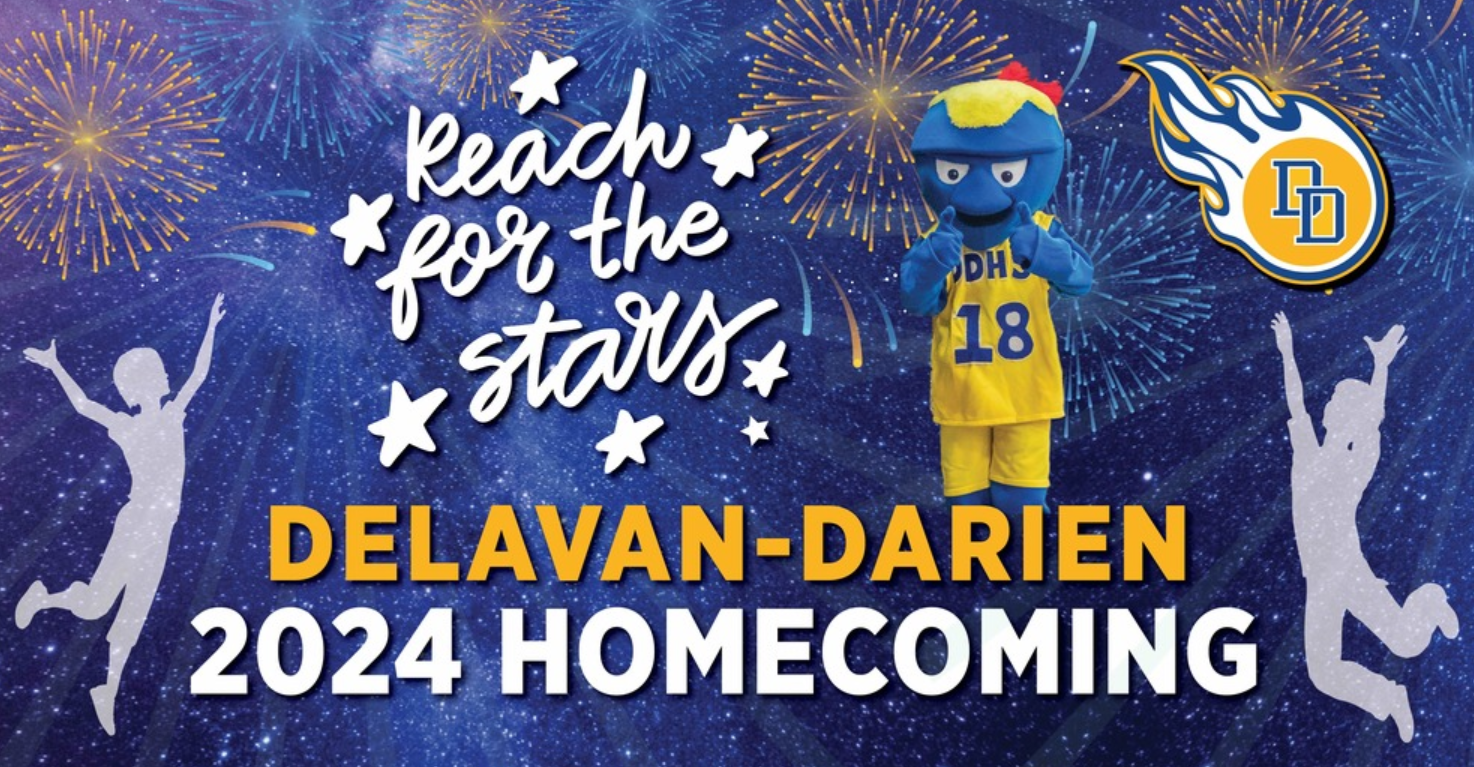
Delavan-Darien High School in Wisconsin chose 'Reach for the Stars' for their 2024 homecoming, turning their gym into a galaxy-inspired ballroom. The focus was on creating an atmosphere that felt special and formal and a genuine upgrade from the standard decorated gym.
Why it stands out: It clearly differentiates the formal dance from the casual spirit week activity days. Attendees immediately understand this is the 'elevated' event of the week. The visual effect, done well, is genuinely breathtaking.
Decor ideas:
A black and gold color scheme is one of the most reliably elegant choices for a formal school event. It's sophisticated, visually cohesive, and gives the room an immediately prestigious feel.

Trinity Academy in North Carolina runs an annual Black and Gold Gala that has become a school tradition, celebrated for the sense of occasion it creates and its role in bringing the community together. It isn't technically a homecoming event, but the combination of a strict dress code, a formal venue, and a consistent visual identity makes it work, and any school can apply that same idea to homecoming.
Why it stands out: The dress code requirement creates a visually unified room that looks stunning in photos. The formal nature raises the perceived status of the event, which motivates those attending to show up in elegant garb..
Decor ideas:
Only a few themes can make a school gym feel genuinely luxurious, and Champagne Dreams is one of them. Built around a palette of whites, creams, gold, and shimmer, the entire aesthetic signals "special occasion".
Why it stands out: It holds a lot of potential for a transformative set up. It's the kind of night guests talk about for years because it gives them an elevated experience within the school itself.
Decor ideas:
A sophisticated take on the celestial theme, Moonlight and Marble evokes a Grecian feel with cool whites, soft greys, gold accents, and a venue that feels like a high-end art gallery crossed with a ballroom.
Why it stands out: The theme is visually striking without being loud. The color palette white, ivory, grey, and gold, is elegant and photographs really well..
Decor ideas:
Where Moonlight and Marble is cool and architectural, Celestial Elegance is warmer, more whimsical. It mixes soft lighting, hanging stars, and glowing centerpieces to create grandeur that feels special but is easy to achieve with simple decorations.
Why it stands out: It treads the line between formal and magical. Attendees feel like they're attending something truly special and memorable. The palette also allows for a wide range of dress options, from classic black tie to rich jewel tones.
Decor ideas:
If your school is ready to move beyond the standard theme ideas, here are some out-of-the-box ideas that get people talking.
Basing your homecoming theme on a specific film or show is one of the most effective ways to generate real buzz from the moment it's announced. You get to harness the emotional connection that students already have to the source material. The best picks are ones that have a strong visual world with vivid color and a recognizable aesthetic.
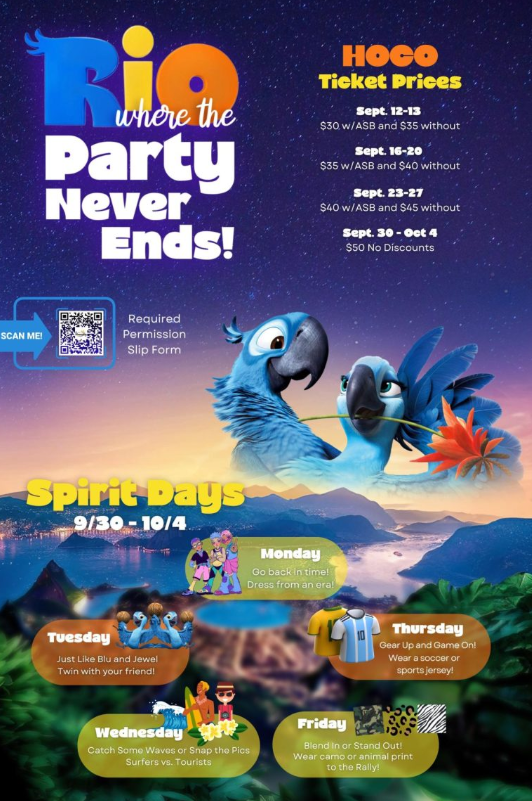
RHCS, California chose Rio as their 2024 homecoming theme, building an entire spirit week around the film's world. Each day had its own twist drawn from the movie, like twin days inspired by characters Blu and Jewel, and surfers vs. tourists, or animal print day. The theme was planned months in advance specifically to deliver a "wow factor,".
Why it stands out: A specific, well-chosen idea gives the planning committee a complete creative brief from day one: the color palette, the soundtrack, the decor style, and the dress code all flow naturally from the source. Planners and attendees don't need to interpret a vague concept, they just need to channel their connection with the story.
Decor ideas:
An Around the World theme is a great way to give each class a unique experience within the same theme. Each class claims a different country or region, then competes through hallway decorations, float design, and dress-up days. This means the creative energy runs school-wide for the entire week.
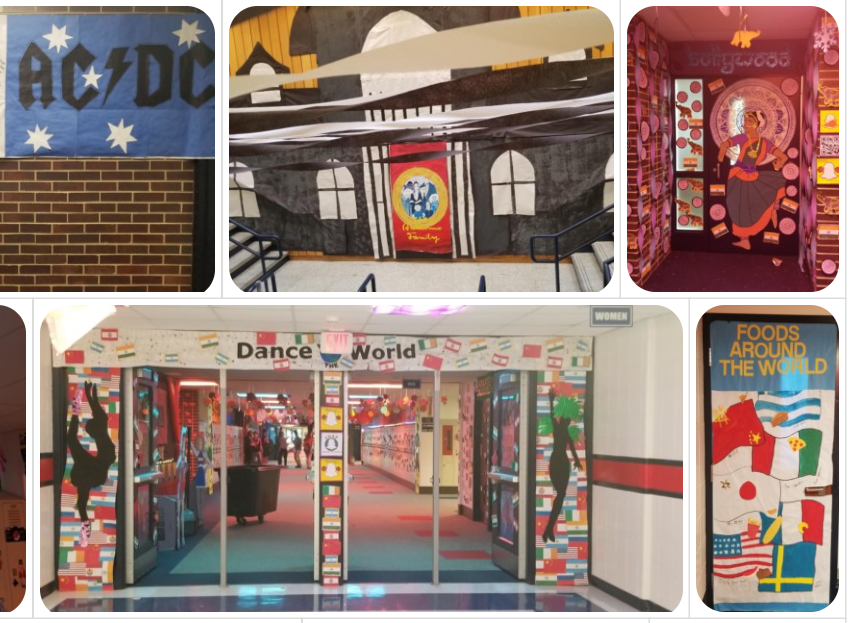
Conant High School in Illinois used "Around the World" as their homecoming theme and had student decorate different hallways, each representing a different global destination. The result was a school-wide installation that turned the building itself into an event.
Why it stands out: It naturally distributes participation and encourages creativity since each grade has to think differently about their assigned region. It's also one of the most inclusive homecoming themes available. Every cultural background has a place in it.
Decor ideas:
A Candyland theme is immediately fun and community-facing. It's vivid, playful, and translates beautifully to parade floats and family-friendly events. It's also a great way to involve younger students and the broader community beyond high school.
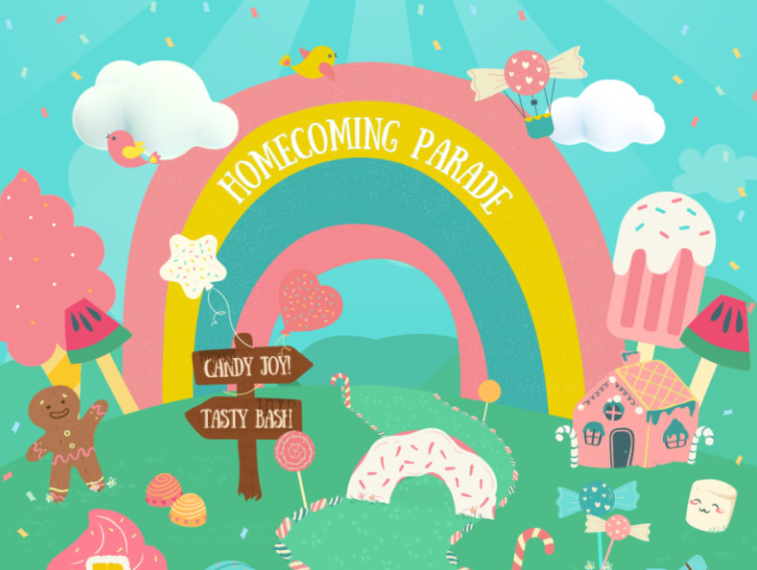
Westminster High School in Colorado went all-in on 'Candyland' for their 2024 homecoming parade, with bright color schemes and giant candy-themed float designs. The community event aspect worked particularly well; the theme is welcoming for all ages, which brings more families out to the parade and builds school spirit.
Why it stands out: It’s a fun theme that works well for homecoming parades and encourages community interaction with the floats. Giant candy-themed props and bright primary colors have a huge visual impact, increasing participation and excitement.
Decor ideas:
An enchanting theme with castles, magic, and the feeling that anything could happen, this is the perfect one to pick for an unforgettable night. It's immersive, visually rich, and gives attendees full permission to go all-out with their looks.
Why it stands out: It moves beyond the typical school dance atmosphere and creates a sense of occasion. Those who might not otherwise dress up find it easier to commit. The theme invites imagination and they can put their own spin on it..
Decor ideas:
This is a step up from the standard music festival concept: instead of a single-room dance, the school is divided into "zones," each with a different genre, playlist, and visual aesthetic. Students move between zones throughout the night, making homecoming feel more like a live experience than a standard dance.
Why it stands out: It keeps attendees moving and engaged all night rather than clustering in one corner. It also naturally accommodates different tastes: one who loves country music and one who lives for hip-hop, both have somewhere to feel at home.
Decor ideas:
Just choosing a good theme isn’t enough; it has to fit your school. Here’s how to choose one that works.
Trends shift quickly, so last year’s idea might already feel outdated. Ask your student council or run a quick poll. Participants are more likely to show up and take part if they have a say in the events.
Some themes are flexible, others need specific setups. A Celestial Elegance theme needs height and space for hanging decor. An Enchanted Forest needs room to build things out. A Neon Glow Party only works if you can control lighting. Take a walk through your venue and be honest about what you can pull off.
Pick something your team can actually execute. A Western Week or Music Festival is simple and easy to set up. A Masquerade Ball or Galaxy Ballroom takes more planning and resources. If you’re stretched thin, go simpler and do it well.
The theme should help guide everything else. Music, outfits, photo spots, even small activities should all connect. A groovy retro night, for example, makes it easy to choose mirror balls for decor, vintage looks for dress code, and backdrops and photo booths in bold, warm colors and patterns. When it all lines up, the event just feels more cohesive and better.
The more effort or money it takes to participate, the more people will sit it out. Choose a theme that’s easy to show up for. The goal is simple: everyone should feel like they can be part of it.
Once you’ve picked the theme, you arrive at your real challenge: making it come to life across an entire week of events. Here are some planning moves that will aid you in delivering a memorable experience:
Have a single page with all the details: schedule, dress-up days, tickets, and updates. When information is scattered, people miss things and you end up answering the same questions over and over.
Skip paper lists and manual tracking if you can. Use one system so you know your numbers ahead of time and avoid last-minute confusion.
People rarely act on the first message. Send a reminder when you announce, another a week out, one a couple of days before, and one on the day. It makes a big difference in turnout.
You’re talking to students, parents, and sometimes alumni. Send each group what they need so no one gets overwhelmed or misses something important.
Don’t let it end when the night is over. Share photos, post a quick recap, and thank the people who helped. It keeps the energy going and makes next year easier to build.
Managing a multi-event Homecoming week and everything around it can get messy. Registrations, communication, tracking attendance, and follow-ups all take time, and small gaps can turn into bigger issues.
That’s where having a system like Almabase’s event solution helps by bringing everything into one place so your team isn’t juggling tools or chasing information. This is done through a few core functions
Instead of spreading details across emails, social posts, and flyers, you can set up a single event page in Almabase. This includes sub-events with customized access and admin features so that students, parents, and alumni know exactly where to go for schedules, registration links, and updates. This keeps everyone informed and cuts down confusion from scattered information.
Almabase lets you handle RSVPs and ticketing in one place without manual tracking. You can see your numbers in real time, which makes planning everything else a lot more straightforward. This gives you clarity early, so you can plan with fewer last-minute surprises.
You can send reminders, updates, and follow-ups directly through Almabase. It helps make sure people don’t miss key details and saves your team from answering the same questions repeatedly. This improves turnout and reduces last-minute back-and-forth.
With everything in one system, you can track who registered, who attended, and how different groups engaged. That visibility makes it easier to plan future events and improve each year. This helps you make better decisions instead of guessing what worked.
Almabase also helps you follow up after homecoming, whether that’s sharing photos, sending a recap, or staying in touch with alumni and families. It turns a one-night event into something that builds longer-term engagement, so people keep coming back.
Planning your next school event? See how Almabase can help you manage registrations, communication, and community engagement more smoothly. Request a demo to get started.

Table of Contents
Subscribe
See how modern advancement teams bring alumni engagement and fundraising together.
Most institutions evaluating alumni management software already have a CRM or an alumni database in place. What often changes over time is how difficult it becomes to run engagement programs consistently using those systems.
Teams often start seeing a gradual change in day-to-day execution where participation drops after initial campaigns, follow-ups take up more working hours and the data to tie it all together sits across multiple systems, eventually slowing down outreach and reporting. This is where the initial (or in some cases additional) platform choice starts to matter.
Today, we have a blog that compares four platforms that institutions commonly evaluate, including Almabase, Graduway, PeopleGrove, and Hivebrite. We’ll walk you through how each one works in practice and what to consider when shortlisting the right option.
Alumni management software helps institutions manage alumni relationships across programs such as events, communication, and fundraising within a single system. It allows teams to track participation and connect engagement activity with giving, which reduces manual effort when data needs to be shared across departments.
Selecting the right platform depends on how well it supports your institution’s programs in practice. To begin, let’s compare the four mentioned platforms that institutions that we’ve picked out:
And a quick summary before we proceed with the detailed comparisons:
The next section looks at how these platforms compare across specific institutional needs.
For advancement teams, engagement and fundraising are deeply connected. Events drive participation. Participation drives giving. Giving drives long-term alumni relationships.
The right alumni management software should support that entire cycle without forcing teams to stitch together multiple disconnected tools.
Here’s how Almabase and Graduway compare when the priority is advancement-led engagement and fundraising.
Almabase connects directly with systems such as Blackbaud, Salesforce, and Ellucian, which means engagement and giving activity flows back into the institution’s CRM as it happens. This reduces the need for manual updates and allows advancement teams to work with a consistent view of alumni participation and donor activity.
Graduway stores alumni data within its platform and links fundraising through the Gravyty ecosystem. The level of CRM synchronization depends on how those integrations are configured, which can affect how easily teams track activity across systems.
Almabase supports event execution with built-in workflows that carry through from registration to post-event tracking. Because participation data is tied to fundraising activity, teams can see how events contribute to broader advancement outcomes without additional reconciliation.
Graduway supports event coordination and communication within the platform, with a primary focus on facilitating alumni participation. When teams need deeper visibility into how events influence fundraising, they often rely on additional tools within the Gravyty setup.
Almabase includes giving workflows within the same system used for engagement. Campaigns, donations, and participation data remain connected, which helps teams track outcomes without switching between tools.
Graduway supports fundraising through the Gravyty ecosystem, where campaign management may sit alongside other modules. This setup can work well for institutions that already operate within that structure, though it introduces additional coordination across systems.
Almabase is typically used by teams that want engagement and fundraising to run within the same system, with shared data across workflows.
Graduway is used in setups where institutions rely on the Gravyty ecosystem and manage engagement and fundraising through connected modules.
The choice depends on how your team prefers to operate and how closely these workflows need to stay connected during execution.
Quick tip → According to the 2024 CASE framework, alumni engagement breaks down into four measurable modes: Communication (15.4%), Experiential (6.1%), Philanthropy (4.7%), and Volunteering (1.2%). Platforms are increasingly evaluated on how well they support each of these categories.
Career networking and mentorship programs depend on how well institutions can connect alumni with students or peers in a structured way. This usually involves identifying the right participants, enabling interaction, and tracking whether those connections continue over time.
When institutions evaluate platforms for this use case, they look at how easily mentorship programs can be set up and how clearly participation can be measured.
Here’s how Almabase and PeopleGrove compare within this specific context.
PeopleGrove is designed specifically for career networking and mentorship. Institutions use it to set up matching frameworks and run structured programs where participants are guided through defined interactions. This makes it easier to manage mentorship as a focused initiative with clear boundaries.
Almabase supports mentorship within its broader alumni system. Programs run alongside existing alumni data and communication workflows, so teams can connect mentorship activity with other forms of engagement. This is useful when mentorship is one part of a larger alumni strategy rather than a standalone program.
Almabase connects mentorship activity with CRM systems, which allows teams to view participation alongside other engagement data. This helps when reporting needs to reflect overall alumni involvement instead of isolated program metrics.
PeopleGrove enhances participant profiles using LinkedIn data, which improves visibility into professional backgrounds during mentorship matching. Reporting remains centered on career program activity, which works well for teams focused on mentorship outcomes.
PeopleGrove is used primarily for career-focused engagement. Institutions adopt it when mentorship and professional networking are core priorities and require dedicated workflows.
Almabase supports mentorship within a broader engagement setup. Teams can manage events, communication, and fundraising alongside networking programs, which allows different initiatives to stay connected during execution.
PeopleGrove is typically chosen when mentorship programs are a primary focus and require a dedicated environment for managing career interactions.
Almabase is used when mentorship is one part of a broader engagement strategy that includes events, communication, and fundraising within the same system.
The choice depends on how mentorship fits into your overall alumni strategy and how closely it needs to connect with other engagement activities.
Community engagement depends on whether alumni continue to participate after joining a platform. This usually happens when institutions create spaces where interaction is visible and tied to ongoing programs rather than one-time activity.
When evaluating platforms for this use case, institutions look at how community interaction is structured and how participation connects to events or broader engagement efforts.
Here’s how Almabase and Hivebrite compare within community engagement and building.
Hivebrite is built around digital community spaces where alumni interact through groups and discussions. Institutions use it to create branded environments that encourage peer-to-peer participation. Engagement tends to grow when members see activity from others within the same community.
Almabase supports community interaction within a broader alumni system. Activity from groups or discussions connects with events and institutional initiatives, which allows teams to track how engagement moves across different programs. This helps when participation needs to translate into measurable outcomes rather than remain limited to conversations.
A 2024 study on digital alumni platforms shows that visible peer activity influences whether users stay active over time. Platforms that make participation visible across programs often see more consistent engagement.
Almabase connects event workflows directly with alumni activity. Teams can track who participates and follow up within the same system, which helps when events are used to drive ongoing engagement.
Hivebrite supports event participation within its community environment. It allows institutions to manage registrations and track attendance, but teams may rely on additional processes when they want to connect event activity with broader engagement efforts.
Almabase includes fundraising workflows that connect with alumni records and CRM systems. This allows teams to track how engagement activity contributes to giving over time.
Hivebrite provides limited fundraising functionality within the platform. Institutions often use additional tools when fundraising becomes part of their engagement strategy, which can add steps to tracking results.
Almabase is typically used when community engagement needs to connect with events and fundraising within the same system, so teams can manage participation and outcomes together.
Hivebrite is used when the focus is on building a standalone community space where interaction between members is the primary goal.
The choice depends on whether community engagement needs to connect with other institutional workflows or operate as a separate initiative.
After evaluating different platforms, institutions usually look for a setup where alumni activity stays connected across programs. This matters because teams often manage events, fundraising, and communication in parallel, and disconnected tools make it harder to track participation or follow up consistently.
Almabase is used in these situations because it keeps engagement activity within a single system. Event participation and giving activity are recorded together, so teams can see how programs influence each other without switching tools.
At Thomas Aquinas College, 25% of alumni signed up within three months of implementation. This was driven by moving from a static alumni page to an interactive platform where participation was visible in real time. Features such as leaderboards, campaign progress tracking, and peer-driven challenges encouraged alumni to engage more actively, which helped the team sustain participation across both events and fundraising initiatives.
As Kalyan, Founder and CEO of Almabase, notes, “technology makes the donor experience significantly better, making the donor feel connected to the organization, whether you're making a $100 donation or $100,000,” highlighting how systems th ko at bring engagement and giving together can strengthen participation over time.
Also read → Alumni management software buying guide for institutions and advancement teams
By now, you’ve seen how different platforms support alumni programs in practice. The key difference comes down to how workflows are structured and how easily teams can manage them together.
Almabase is used by institutions that want engagement activity, event participation, and giving data to stay connected within the same system. This makes it easier to track outcomes and coordinate work across teams.
If you’re evaluating platforms, the next step is to see how this works in practice. A demo can help you understand how your workflows would run within the system and how data flows across programs. Request a free demo to see how your workflows would run in practice.

Alumni management software is used by institutions to manage alumni relationships across programs. Teams use it to track interactions, run events, and manage giving activity within the same system, which helps reduce manual work when data needs to be shared across teams.
The most important features depend on how the institution runs its programs. Teams usually look for tools that support event execution and allow them to track participation over time. CRM connectivity also matters when reporting needs to reflect both engagement and giving activity in one place.
A CRM is typically used to store donor and contact records, while alumni platforms focus on engagement programs. Alumni management software connects these areas by allowing teams to run events and fundraising while keeping data aligned with institutional systems.
Many platforms connect with systems such as Blackbaud, Salesforce, or Ellucian. This allows engagement activity to reflect in donor records, which helps teams maintain accurate reporting without manually updating data across systems.
These platforms support event execution by allowing teams to manage registrations and track participation. Fundraising activity can then be linked to that engagement, which helps teams follow up with alumni based on their involvement.
The right choice depends on how your institution runs alumni programs. Teams should look at how well the platform supports their existing workflows and whether engagement activity connects with fundraising and reporting in a way that reduces manual effort.

Alumni Management Software: Best Platforms Compared
Compare the best alumni management software for engagement, events, mentoring, and fundraising. See how Almabase stacks up against top platforms.
Alumni Engagement
Alumni reunions are still a core part of how institutions stay connected with their communities. They’re familiar and often well-intentioned. But over time, the format can start to feel repetitive. Especially when the programme doesn’t really change: a cocktail hour, a speech from the Dean, or some time to catch up with people you’ve mostly lost touch with, alumni interest starts to taper off.
This could be because, at some point, alumni begin to weigh the effort of booking flights and stays, or taking time off of work or family against the payoff. Reunions are being compared against everything else people could be doing with their time. And in that comparison, a lot of programming starts to feel dated, even to a very seemingly engaged alumni community.
To help you keep up with the evolving expectations of your alumni, we’ve put together a range of alumni reunion activity ideas across formats. The idea is to give you options you can actually use, backed with real life examples and tips to help you make them work.
Alumni look forward to reunions because they miss each other, and the institution gives them a chance to relive a part of their student life with friends. That’s worth keeping in mind when you’re designing the programme.
This consideration also influences what the activities need to do. They should create space for those old friends to connect with each other in meaningful ways. The better ones bring together alumni who wouldn’t otherwise meet, and over time, build something that’s harder to measure: a willingness to give back. This may not always be financially or right away. It could look like year-on-year re-engagement, or just giving time, mentorship, introductions. Financial giving tends to follow when that relationship is in place.
It’s also worth recognizing that different activities serve different goals, and treating them as interchangeable could backfire. One thing that’ll help is clarity on the outcomes expected from these activities. Once you’re clear on what you want the reunion to do, the choice of activities becomes a lot more straightforward.
In-person events are usually what people picture when they think of reunions. They’re also where the strongest connections happen. To embrace the potential for these connections, think of how interactive you can make the experience for attendees.
A campus scavenger hunt gets alumni moving around. Routing participants past old lecture halls, favorite spots, and campus landmarks brings back memories and experiences from years ago. It gives organizers a chance to nudge people beyond their old cohort by combining folks across different graduating years within teams.
Reed College runs ‘Foster's Quest’, a narrative-driven hunt where alumni follow 11 clues to 11 locations across campus, collecting letters that unscramble into a four-word phrase. The first 250 to finish get a special keepsake. It's built around the college's own history and folklore, which is what makes it stick.
Tips:
Trivia nights are a classic because they’re low-barrier and customizable, but only worthwhile when the content is right. Generic questions miss the point of an alumni reunion. Instead, build rounds around the institution's history, notable alumni, campus lore, and the specific years of whoever's in the room. Done well, it can feel like a shared trip down memory lane.

Christian Brothers University runs an annual Trivia Night organised by its National Alumni Board where graduates form "legacy teams" of up to eight people, bring their own food and drinks, and are hosted by alumni rather than staff. The effect is closer to a house party than a formal event and that's what makes people show up with eagerness.
Tips:
Give your alumni a reason to come back beyond just seeing their old classmates with a well-run panel. Pair it with structured networking opportunities like faculty-led roundtables, speed-mentoring rotations, or breakout groups, and it can function as a career development event too. That makes it particularly valuable for younger alumni still building their networks.

Stanford's Reunion Homecoming has four days of "Classes Without Quizzes", which are faculty-led sessions on current research, running alongside class panels and networking opportunities. The programming is also flexible with Open Houses that do not have a set agenda. This allows alumni to socialise without the added pressure of adhering to a formal schedule.
Tips:
Some of the most memorable reunion moments happen when people have something to do together. Building a hands-on activity into your programme gives alumni a chance to collaborate and create, together.
Built into Saint Louis University's Billiken Days (the university’s official alumni reunion) is a table decoration contest where alumni and families build themed displays for a cash prize. Past themes have ranged from "Candyland" to "SLU History." Teams end up debating which campus legend to include or which era deserves the spotlight, and those conversations often turn into some of the most fun parts of the event.
The same idea can be adapted in different ways: a collaborative mural, a trivia build-up round, a class scrapbook station, or even a cook-off by graduating cohorts.
Tips:
Older alumni often come with children or grandchildren, so planning a family-friendly campus day removes a real barrier to attendance. Alumni gladly welcome the opportunity to bring their loved ones along. It gives them a chance to share stories, show off their old hangout spots, and relive their campus days through a more personal, “storied” tour of the place they once called home.

The University of Toronto's Alumni Reunion runs a Kids' Passport programme alongside Stress-Free Degree lectures and an outdoor Alumni Fest. The Passport sends children around campus collecting stamps at activity stations run by university departments. This means alumni parents get to say "We're going to university!" rather than "You’re coming to my thing."
Tips:
Not everyone is going to make it back to campus, no matter how strong the programme is. Hybrid formats help you include those alumni without having to run a separate event altogether. Give yourself the best shot at engaging them too by extending your reunion online while still keeping the in-person experience intact.
Hybrid panels let you run a full in-person event while including alumni who can't be there physically. A good hybrid panel integrates the remote experience almost seamlessly into the event. If virtual attendees are just watching a stream with no way to participate, they’ll likely switch off quickly.
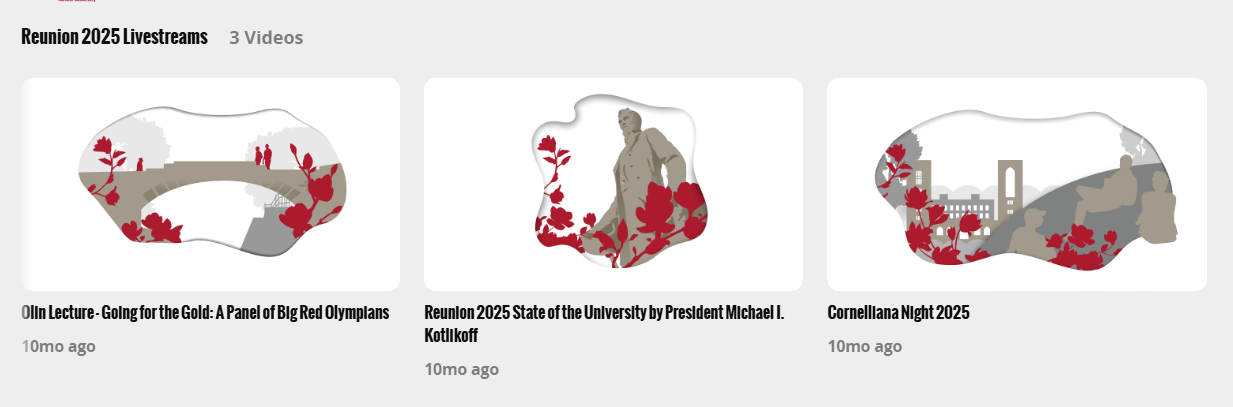
Cornell Law School's Reunion Weekend runs a mix of in-person and virtual programming, with sessions explicitly flagged for virtual access on the published schedule so remote alumni can plan ahead. Cornell also offers a free virtual registration package open to all alumni, with featured events livestreamed. The result is that remote participation feels intentional, not like an afterthought.
Tips:
For alumni who follow their institution's teams, a live-streamed event with accompanying virtual watch parties is one of the more straightforward hybrid formats to run. The content already exists. The alumni relations job is packaging it: organizing viewing groups, adding commentary, and building in social moments around the broadcast.
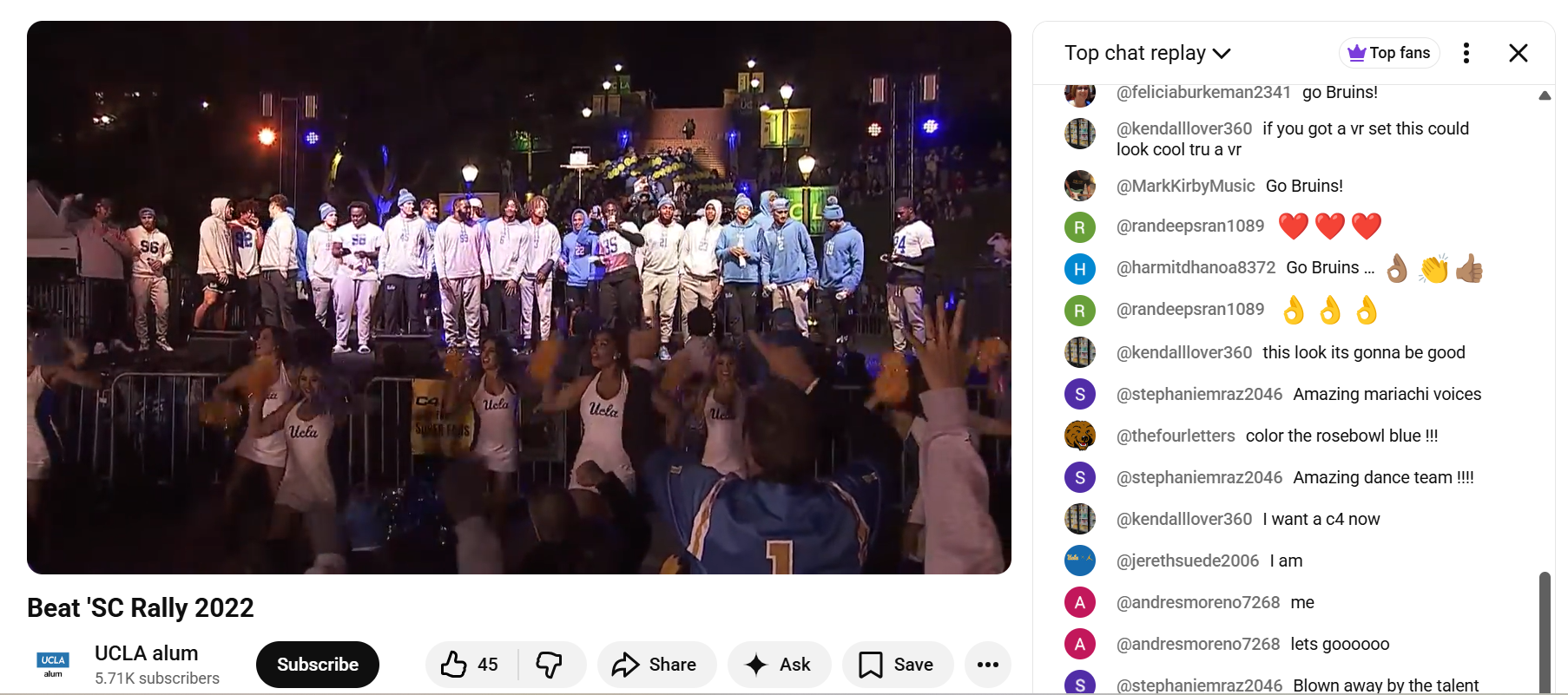
UCLA's Beat 'SC Rally, one of the largest annual on-campus spirit events held ahead of the UCLA-USC football game, was livestreamed (via YouTube) for alumni who couldn’t attend in person. The live chat quickly turned into its own space, with alumni cheering, reacting, and arguing over which dance team was better. It’s not the same as being there, but it comes pretty close. It works because it builds on something that already has meaning within the institution and makes it accessible to a wider audience.
Tips:
A hybrid version of a campus tour lets you run a physical walk through campus while bringing in remote alumni through a livestream.
What makes this work is how it’s structured. Instead of a passive walkthrough, think of it as a shared experience. A host can lead the tour on campus while a second person moderates questions and comments coming in from virtual attendees. Remote alumni can ask to revisit specific spots, share their own memories, or react in real time as the tour moves through familiar spaces.
It’s also worth thinking about pacing. Pausing at key locations, building in short interaction moments, and keeping the group small enough to manage helps both audiences stay engaged.
Tips:
Virtual reunions need more deliberate design than in-person ones. There's no ambient socialising, no hallway conversations, no accidental run-ins, so every connection point has to be built in. That means structured breakout rooms by cohort or industry, actual icebreaker activities, and transitions that keep energy up.
A good virtual reunion treats the format on its own terms, like designing events around how people show up and interact virtually.

During MIT's 2020 Virtual Tech Reunions, the Alumni Association the Alumni Association built a network of breakout rooms for affinity and interest group meetups, ran a student-built Minecraft campus tour, and hosted a live Alumni Quiz Bowl. The experience felt intentionally designed for a virtual setting, rather than a scaled-down version of an in-person event.
Tips:
A 45-60 minute interview-style conversation with a well-known alumnus can draw strong attendance even from people who rarely engage with reunion programming. The star of the event is obviously the person here.

Penn Alumni's regional clubs run virtual happy hours and board meetings via Zoom that consistently pull in alumni who can’t attend in-person events (including people in the same city who simply hadn't engaged before). A virtual fireside chat with a compelling speaker operates on the same logic: the barrier to attend is low enough that people who would never book a flight will show up.
This format really took off during COVID, when institutions had to find new ways to stay connected. What carries over is the effectiveness.
Tips:
Escape rooms translate well to virtual because they're social, collaborative, time-bound, and require enough active participation that people can't quietly disengage. They work best with groups who already know each other reasonably well.
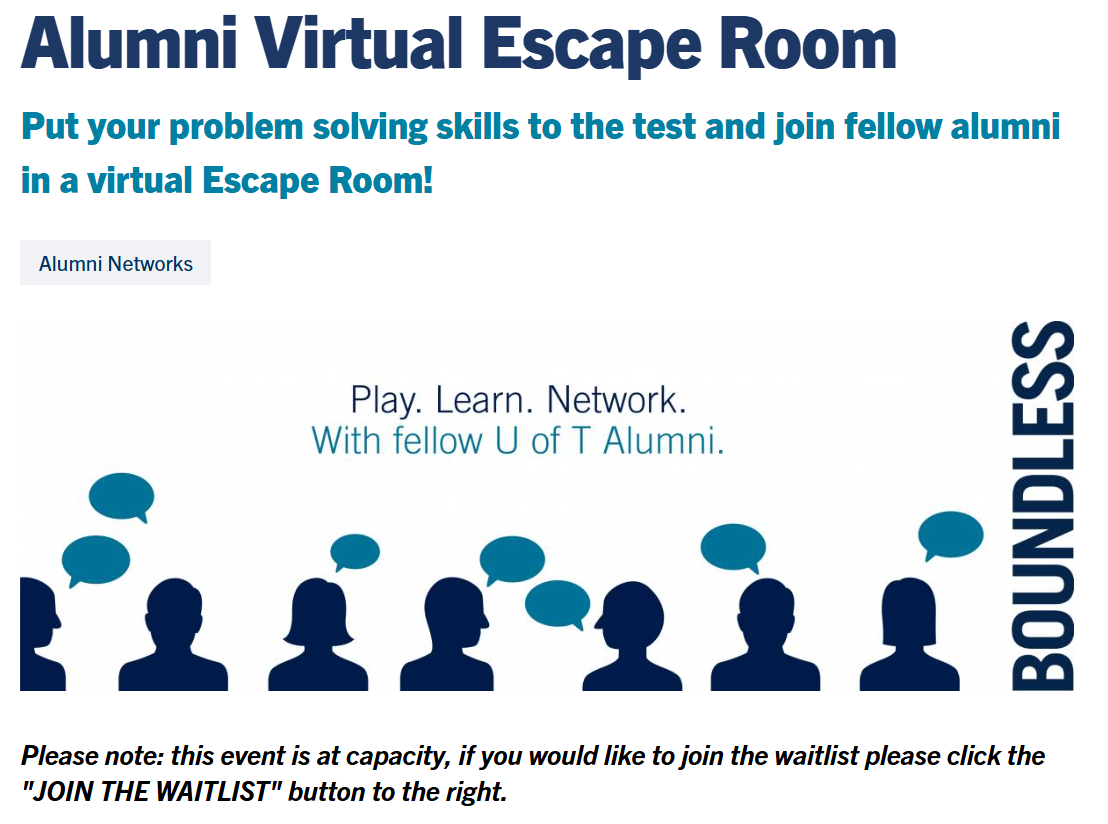
The University of Toronto runs an Alumni Virtual Escape Room where alumni are teamed up with fellow graduates to work through riddles and puzzles via a third-party app over Zoom, with the fastest team to escape winning. The puzzle gives people a reason to talk, collaborate, and interact with others they might not otherwise meet. It’s a win-win for everyone involved.
Tips:
A crowdsourced digital photo wall is a simple way to get alumni involved. Alumni submit a current photo along with a short update, which can then be showcased during the reunion.
What makes this work is its versatility. It can run as a live stream during the event, (virtual, in-person or hybrid), be displayed between sessions, and even act as a starting point for conversations. People look forward to familiar faces and compare where life has taken everyone. Reconnection is the next step from there. It's a low-lift activity to organize.
You can also pair it with a guided campus tour, with a host or student walking through familiar spaces while alumni engage in the chat. Together, it creates a low-effort but effective way to bring in both nostalgia and interaction.
Tips:
Milestone reunions carry a different weight. Alumni coming to these events are often marking something significant in their own lives aside from the relationship with their alma mater. The programming should reflect that with more curated experiences and a genuine sense that the institution takes the milestone seriously.
A time capsule ceremony can turn a milestone reunion into a ‘must-attend’ milestone reunion. Because it’s tied to a specific moment, whether it’s being sealed or opened, it creates a sense of occasion that typical social events don’t always have.
It also works well as a paired tradition. A class can seal a capsule at one milestone with the understanding that it will be opened at a future reunion. That shared timeline gives alumni a reason to stay connected and come back.
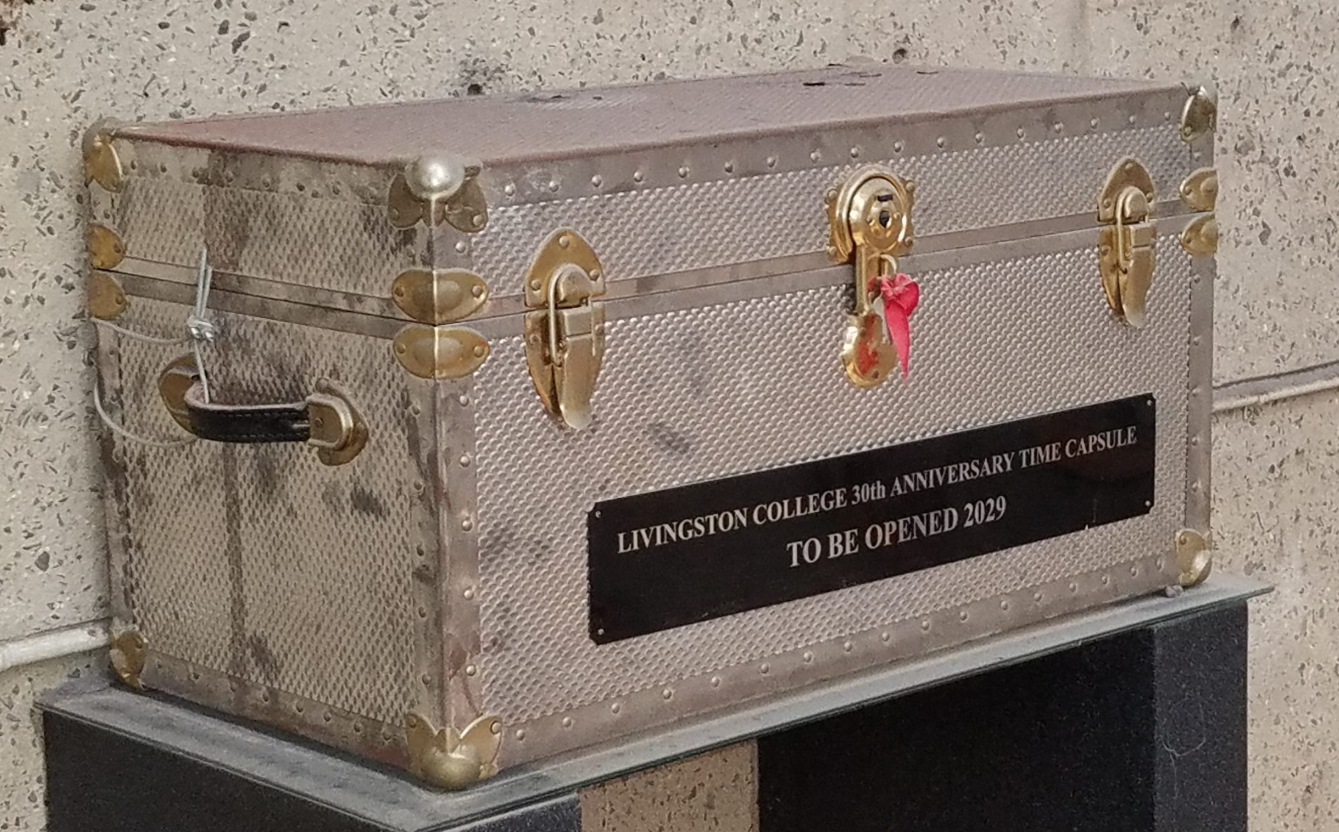
Rutgers University’s Livingston College offers a good example of this. The Class of 1999-2000 sealed a time capsule for the college’s 30th anniversary, with plans to open it in 2029 for the 60th. In the meantime, the capsule remains on campus in Tillett Hall, becoming something alumni can return to and talk about over the years.
Tips:
A “back to the classroom” session isn’t really about sitting through a lecture again. It’s more about seeing what’s changed since alumni were last on campus, and how the academic side of the institution has evolved.
There’s a lot of room to work with, depending on the cohort. For younger groups, it might be an industry-focused session that connects what they studied to where the field is now. For older cohorts, it could be a more informal conversation with a beloved faculty member or even time spent in a new lab or studio. The point is to give alumni something they wouldn’t get otherwise, so the trip feels worthwhile.
Phillips Exeter Academy builds this into its milestone reunions with “Back to the Classroom” sessions where alumni sit in on faculty-led discussions alongside current students. It’s a simple idea, but it works because it brings people back into a familiar setting while also showing how things have moved on.
Tips:
A milestone ceremony makes the relationship feel intentionally recognised, which is exactly what it should aim for. This would work especially well for older cohorts, where there’s gathered interest in legacy and formal recognition, and more people are expected to show up.

Brock University does this during its Homecoming weekend with commemorative pinning ceremonies. Different milestone classes receive distinct pins, like a silver cameo for the 25-year cohort and a golden badger for the 50-year group. These are usually built into formal receptions, which adds a bit of weight to the moment without overcomplicating it.
The format is easy to adapt. A 10-year reunion could have a “young alumni” marker, while a 40-year group might receive something more archival, like a limited-edition print. What matters more is consistency. Once alumni see this happening for other cohorts, it builds a sense of anticipation for their own milestone.
Tips:
Giving-focused activities work best when they’re part of an event alumni already want to attend. When they feel like a separate track, or the main agenda, engagement drops off. The goal is to make giving feel like a natural extension of the experience, not a transaction.
Peer-to-peer fundraising changes who’s doing the asking. When class groups rally around a shared participation goal, it becomes less about the institution asking for money and more about showing up alongside and for your peers. That shift makes a real difference.

Yale University’s Reunion Giving programme centers campaigns around class volunteers. Participation rate, not total dollars, is the primary metric. This positioning makes the campaign feel more inclusive and gives alumni something to rally around beyond just a number.
Tips:
A class gift gives alumni something to build together. When a cohort contributes toward a shared outcome, whether it’s a scholarship, a space, or a piece of equipment, the giving becomes part of the reunion story and a moment of pride.

Northwestern University's Reunion Class Scholarship Fund allows each class to build an endowed scholarship in its name. It’s something that continues well beyond the reunion and gives alumni a lasting point of connection.
Tips:
A silent auction can raise funds while also giving people something to engage with during the event. It works best when it runs in the background across the reunion, rather than as a standalone session.
Items tied to the institution do better than generic ones. Experiences like a dinner with leadership, behind-the-scenes campus access, or alumni-donated items with a story behind them usually get more attention.
Tips:
The list above covers a lot of ground and not all of it will fit your institution, your alumni base, or your specific reunion cycle. A few simple filters can help narrow it down.
Start with your goal. If you’re trying to re-engage lapsed alumni, in-person, experiential formats usually work better than virtual ones. If you’re running a giving campaign, build that into the main event itself, intentionally. Activities that feel like an afterthought could get ignored.
Milestone years need a different level of thought. A 25-year reunion, for example, carries more weight than a regular annual gathering, and the programming should reflect that.
And finally, leave some breathing room for organic connections. The best parts of a reunion are rarely scheduled. Conversations happen in the gaps before a panel starts, between sessions, over meals. If everything is tightly packed, you lose that.
Choosing the right activities is the visible part of reunion planning. What’s less visible (and sometimes more challenging) is everything that supports it: registrations, pre-event communication, attendance tracking, post-event follow-up, and any giving tied to the programme.
In most teams, this ends up spread across multiple tools. Registrations in one place, emails in another, attendance tracked manually, and follow-ups going out later than they should, or not at all.
It works, but it’s messy. Data gets fragmented, manual work piles up, and by the time everything is pulled together, the moment has already passed.
Purpose-built alumni platform like Almabase can make a huge difference for both staff and attendees. Instead of managing separate tools and trying to piece things together, everything sits in one place and works as a single system, which changes how the reunion is hosted, how alumni find and interact with the event, and how event data is captured and analyzed.
You have a clear view of who’s registering, who’s attending, and how alumni are engaging, without pulling data from multiple sources. Communication becomes more targeted because it’s based on real-time information. Follow-ups go out on time, while the event is still top of mind. And if giving is part of your reunion, it fits naturally into the same flow.
In practice, that looks like:
For teams running multiple reunions or managing large alumni bases, this kind of setup removes a lot of manual work and makes it easier to act on what’s happening in real time. If your team is spending more time coordinating tools than running the reunion, it might be worth taking a closer look at how Almabase brings it all together.


Alumni Reunion Activity Ideas to Boost Engagement
We've compiled a collection of alumni reunion activities for your institution that your event attendees will love whether you want something simple or grandiose.
Events
Anwesha Kiran
April 15, 2026
12 minutes
Homecoming is one of the most anticipated events of the school year for both students and alumni. Picking the perfect high school homecoming theme means balancing what attendees are excited about with what your school can realistically pull off on budget. The goal is simple: create an experience people will remember.
Planning your theme early makes that much easier. It gives you more time to organize everything smoothly and avoid last-minute surprises. To help you get started, we’ve put together 20+ high school homecoming themes ranging from classic and elegant to trendy, easy to pull off and unique.
Classic themes are a mainstay for homecoming week. They’re visually rich, they age well, and alumni can connect with them just as easily as current students, which makes them a smart pick if you want homecoming to feel like a true community event.
A night sky theme is one of the most enduring homecoming themes, and it's easy to see why. Dark blue drapes and shimmering lights can transform almost any gym or hall into something that feels magical without requiring a massive budget.
Both Lincoln High School in Nebraska and Socorro High School in Texas ran 'Starry Night' themed homecomings in 2024, leaning into deep blue and silver palettes, complete with photo booths. The theme works across different school sizes and budgets, which is a big part of why the theme is here to stay.
Why it stands out: It's romantic, timeless and photographs well, which makes it a win. Done well, it is a very shareable theme for social media, which boosts engagement with your events.
Decor ideas:
A Hollywood theme holds the potential to give every attendee their A-list moment. It’s high-energy, glamorous, and everyone knows what to wear and how to act when there's a red carpet involved.
Lamar High School made Hollywood the centerpiece of their 2024 homecoming, building spirit week dress-up days around students channeling their favorite stars. The theme gave every student a chance to feel like a million dollars!
Why it stands out: It's flexible enough to work for spirit week (dress as your favorite celebrity one day, arrive at the dance like you're walking into the Oscars the next), which keeps things exciting and new even while being on-theme.
Decor ideas:
“Enchanted forest” is a theme that can transform a school gym into something that feels straight out of a storybook. Decorations can be as simple or elaborate as your budget allows, and the theme still comes across clearly. You could go for fairy tale elements, a more natural woodland look, or something in between, tailored to your school’s style.
Herndon High School in Virginia took this theme for their 2025 homecoming, incorporating nature-inspired floats in the parade and floral decor throughout the week, proving that the concept carries through spirit week activities as well as the dance itself!
Why it stands out: It feels immersive because of the fantasy element and also lends itself beautifully to photography.
Decor ideas:
A masquerade theme introduces an air of mystery to a regular homecoming week. Masks are an accessory to look forward to, and the Venetian inspiration lends to striking decor in almost any venue.
Fremont Christian School in California ran a masquerade-themed homecoming dance in 2024, leaning into the mystery and elegance of the format.
Why it stands out: It's inherently formal and visually unique. Even those who don't go all-out on their outfit can look the part with just the right mask. It also doubles well as a semi-formal or formal event.
Decor ideas:
Retro themes have been making a comeback, something reflecting on student culture right now as well. Driven by the wave of nostalgia running through fashion and social media, these ideas tap directly into that energy, making them some of the best themes to get excited about.
A decade-hopping retro theme is an energetic format for homecoming week. You can draw inspiration from the decades related to past generations of students, incorporating music, fashion, and popular trends from each era.
Artesia High School in New Mexico themed their entire 2024 homecoming week around "Groovin' into HoCo," running decade-dedicated dress-up days from the '60s through the '00s, complete with an enchilada supper, bonfire, parade, and assembly.
Why it stands out: It's extremely flexible. Every student can find a decade they connect with, whether it's flower-power '60s, disco '70s, or MTV '80s.. And because most of the "costume" is just clothing, there's almost no financial barrier or prior planning, increasing participation.
Decor ideas:
Leather jackets, sock hops, and drive-in vibes: the 1950s and 60s are full of ideas that can easily be incorporated into a homecoming theme. The looks are fun, accessible, and lend themselves naturally to a full week of themed activities.
Tavares High School in Florida ran a 'Retro Revival' homecoming in 2024, planning their spirit week around decade-specific themes. The day-by-day format kept students engaged all week, with a retro aesthetic tying everything together.
Why it stands out: It tends to have high dress-up participation because the looks are fun and easy to create. The costume options are wide enough for everyone to find something they're comfortable wearing.
Decor ideas:
The early-2000s nostalgia wave isn't slowing down any time soon! From butterfly clips to shiny tech-inspired accessories, Y2K is having a full cultural moment and high school students are very much along for the ride. There's also a fun generational connection when teachers, parents and alumni join in, having lived through these moments themselves.
Sunset High School in Portland ran a Y2K homecoming in 2024.
Why it stands out: It reflects what's trending on social media and in fashion right now, which means attendees can simply pick items from their wardrobe and create their costumes.
Decor ideas:
A neon or glow theme turns any venue into a high-energy, visually electric experience. UV black lights do most of the heavy lifting, which makes this a surprisingly easy theme to execute well.
St. Augustine High School in Florida made their 2025 homecoming theme 'Neon Glow Up!', hosting the dance at a local hotel to add an upscale feel to the vibrant concept. Taking the theme off school grounds gave it an elevated atmosphere.
Why it stands out: Neon and glow accessories are easy to find, so attendees at every budget level can fully participate. The visual impact in photos is also huge, which drives social sharing and school spirit.
Decor ideas:
The best homecoming themes don't need to be expensive ones. These ideas require no elaborate venue transformations and those attending can put their look together from things they already own.
A western theme works because it builds the week around something attendees can dress for without spending a dime. Flannel, boots, denim, and cowboy hats are already in most wardrobes.
Lincoln-Way West High School in Illinois ran a "Wild Wild West" homecoming week, with flannel day, class color day, and a western-themed spirit day leading into a Friday night game. The dance itself was held off-campus at a local commons, with food trucks adding to the casual, community feel of the event.
Why it stands out: When those attending don't need to buy anything to create looks around the theme and participate, attendance goes up across the board.
Decor ideas:
A music festival theme is flexible enough to run all week across different genres: country, hip-hop, pop, throwback, while keeping a concept that ties everything together. It is essentially a theme with the spirit week inspiration built-in.
Thornapple Kellogg High School in Michigan made their 2024 homecoming theme 'TK Palooza', with each spirit day dedicated to a different music genre: Country Day, Hip Hop Day, Pop Music Day, and Throwback '60s Day. The school-wide rollout extended the theme across all grade levels, making it a community-wide event pulled off with a low budget.
Why it stands out: Every student has a musical genre they love, which means every student can find a day they're excited to dress for. It keeps the week feeling fresh, without needing expensive venue transformations.
Decor ideas:
The denim-and-diamonds concept is a smart budget theme because it pairs something everyone owns (denim) with glamorous accessories. It’s elevated but at the same time accessible.
Why it stands out: Attendees can wear their own jeans and elevate the look with jewellery or sparkly accessories. There is no formal wear required, in fact, the contrast between casual and glam is the whole point.
Decor ideas:
This theme is the one to pick for schools that want an accessible, fun dress code that still photographs well and feels like a proper event. It's a great pick if your student body is mixed on how formal they want things to be.
Sometimes the simplest idea is the best one. A school colors night strips the theme back to its most essential element: pride in your own school.
Why it stands out: Participation is essentially guaranteed. Every student owns something in their school colors, which means no one is left out for financial reasons. It also doubles as a lead-in to the Friday night game, keeping energy high all week.
Decor ideas:
Homecoming already falls in autumn, so leaning into the season is an easy creative decision. A rustic fall theme ties the event to the season and delivers a warm, inviting atmosphere that works with almost any venue.
Why it stands out: The dress code is accessible: flannel shirts, boots, denim, and cozy layers are things folks already own. There’s no shopping required, which means higher participation across income levels. The aesthetic also scales naturally: it looks just as good in a school gym as it does in a rented hall, which keeps anticipation high.
Decor ideas:
Some schools want their homecoming dance to feel distinctly formal: a step up from the usual school social. These themes are designed to set that tone from the moment guests walk in the door.
A galaxy-inspired formal theme takes the classic 'stars' concept and gives it a more sophisticated, high-design treatment. The vision: a ballroom that looks like the inside of a planetarium.
Delavan-Darien High School in Wisconsin chose 'Reach for the Stars' for their 2024 homecoming, turning their gym into a galaxy-inspired ballroom. The focus was on creating an atmosphere that felt special and formal and a genuine upgrade from the standard decorated gym.
Why it stands out: It clearly differentiates the formal dance from the casual spirit week activity days. Attendees immediately understand this is the 'elevated' event of the week. The visual effect, done well, is genuinely breathtaking.
Decor ideas:
A black and gold color scheme is one of the most reliably elegant choices for a formal school event. It's sophisticated, visually cohesive, and gives the room an immediately prestigious feel.
Trinity Academy in North Carolina runs an annual Black and Gold Gala that has become a school tradition, celebrated for the sense of occasion it creates and its role in bringing the community together. It isn't technically a homecoming event, but the combination of a strict dress code, a formal venue, and a consistent visual identity makes it work, and any school can apply that same idea to homecoming.
Why it stands out: The dress code requirement creates a visually unified room that looks stunning in photos. The formal nature raises the perceived status of the event, which motivates those attending to show up in elegant garb..
Decor ideas:
Only a few themes can make a school gym feel genuinely luxurious, and Champagne Dreams is one of them. Built around a palette of whites, creams, gold, and shimmer, the entire aesthetic signals "special occasion".
Why it stands out: It holds a lot of potential for a transformative set up. It's the kind of night guests talk about for years because it gives them an elevated experience within the school itself.
Decor ideas:
A sophisticated take on the celestial theme, Moonlight and Marble evokes a Grecian feel with cool whites, soft greys, gold accents, and a venue that feels like a high-end art gallery crossed with a ballroom.
Why it stands out: The theme is visually striking without being loud. The color palette white, ivory, grey, and gold, is elegant and photographs really well..
Decor ideas:
Where Moonlight and Marble is cool and architectural, Celestial Elegance is warmer, more whimsical. It mixes soft lighting, hanging stars, and glowing centerpieces to create grandeur that feels special but is easy to achieve with simple decorations.
Why it stands out: It treads the line between formal and magical. Attendees feel like they're attending something truly special and memorable. The palette also allows for a wide range of dress options, from classic black tie to rich jewel tones.
Decor ideas:
If your school is ready to move beyond the standard theme ideas, here are some out-of-the-box ideas that get people talking.
Basing your homecoming theme on a specific film or show is one of the most effective ways to generate real buzz from the moment it's announced. You get to harness the emotional connection that students already have to the source material. The best picks are ones that have a strong visual world with vivid color and a recognizable aesthetic.
RHCS, California chose Rio as their 2024 homecoming theme, building an entire spirit week around the film's world. Each day had its own twist drawn from the movie, like twin days inspired by characters Blu and Jewel, and surfers vs. tourists, or animal print day. The theme was planned months in advance specifically to deliver a "wow factor,".
Why it stands out: A specific, well-chosen idea gives the planning committee a complete creative brief from day one: the color palette, the soundtrack, the decor style, and the dress code all flow naturally from the source. Planners and attendees don't need to interpret a vague concept, they just need to channel their connection with the story.
Decor ideas:
An Around the World theme is a great way to give each class a unique experience within the same theme. Each class claims a different country or region, then competes through hallway decorations, float design, and dress-up days. This means the creative energy runs school-wide for the entire week.
Conant High School in Illinois used "Around the World" as their homecoming theme and had student decorate different hallways, each representing a different global destination. The result was a school-wide installation that turned the building itself into an event.
Why it stands out: It naturally distributes participation and encourages creativity since each grade has to think differently about their assigned region. It's also one of the most inclusive homecoming themes available. Every cultural background has a place in it.
Decor ideas:
A Candyland theme is immediately fun and community-facing. It's vivid, playful, and translates beautifully to parade floats and family-friendly events. It's also a great way to involve younger students and the broader community beyond high school.
Westminster High School in Colorado went all-in on 'Candyland' for their 2024 homecoming parade, with bright color schemes and giant candy-themed float designs. The community event aspect worked particularly well; the theme is welcoming for all ages, which brings more families out to the parade and builds school spirit.
Why it stands out: It’s a fun theme that works well for homecoming parades and encourages community interaction with the floats. Giant candy-themed props and bright primary colors have a huge visual impact, increasing participation and excitement.
Decor ideas:
An enchanting theme with castles, magic, and the feeling that anything could happen, this is the perfect one to pick for an unforgettable night. It's immersive, visually rich, and gives attendees full permission to go all-out with their looks.
Why it stands out: It moves beyond the typical school dance atmosphere and creates a sense of occasion. Those who might not otherwise dress up find it easier to commit. The theme invites imagination and they can put their own spin on it..
Decor ideas:
This is a step up from the standard music festival concept: instead of a single-room dance, the school is divided into "zones," each with a different genre, playlist, and visual aesthetic. Students move between zones throughout the night, making homecoming feel more like a live experience than a standard dance.
Why it stands out: It keeps attendees moving and engaged all night rather than clustering in one corner. It also naturally accommodates different tastes: one who loves country music and one who lives for hip-hop, both have somewhere to feel at home.
Decor ideas:
Just choosing a good theme isn’t enough; it has to fit your school. Here’s how to choose one that works.
Trends shift quickly, so last year’s idea might already feel outdated. Ask your student council or run a quick poll. Participants are more likely to show up and take part if they have a say in the events.
Some themes are flexible, others need specific setups. A Celestial Elegance theme needs height and space for hanging decor. An Enchanted Forest needs room to build things out. A Neon Glow Party only works if you can control lighting. Take a walk through your venue and be honest about what you can pull off.
Pick something your team can actually execute. A Western Week or Music Festival is simple and easy to set up. A Masquerade Ball or Galaxy Ballroom takes more planning and resources. If you’re stretched thin, go simpler and do it well.
The theme should help guide everything else. Music, outfits, photo spots, even small activities should all connect. A groovy retro night, for example, makes it easy to choose mirror balls for decor, vintage looks for dress code, and backdrops and photo booths in bold, warm colors and patterns. When it all lines up, the event just feels more cohesive and better.
The more effort or money it takes to participate, the more people will sit it out. Choose a theme that’s easy to show up for. The goal is simple: everyone should feel like they can be part of it.
Once you’ve picked the theme, you arrive at your real challenge: making it come to life across an entire week of events. Here are some planning moves that will aid you in delivering a memorable experience:
Have a single page with all the details: schedule, dress-up days, tickets, and updates. When information is scattered, people miss things and you end up answering the same questions over and over.
Skip paper lists and manual tracking if you can. Use one system so you know your numbers ahead of time and avoid last-minute confusion.
People rarely act on the first message. Send a reminder when you announce, another a week out, one a couple of days before, and one on the day. It makes a big difference in turnout.
You’re talking to students, parents, and sometimes alumni. Send each group what they need so no one gets overwhelmed or misses something important.
Don’t let it end when the night is over. Share photos, post a quick recap, and thank the people who helped. It keeps the energy going and makes next year easier to build.
Managing a multi-event Homecoming week and everything around it can get messy. Registrations, communication, tracking attendance, and follow-ups all take time, and small gaps can turn into bigger issues.
That’s where having a system like Almabase’s event solution helps by bringing everything into one place so your team isn’t juggling tools or chasing information. This is done through a few core functions
Instead of spreading details across emails, social posts, and flyers, you can set up a single event page in Almabase. This includes sub-events with customized access and admin features so that students, parents, and alumni know exactly where to go for schedules, registration links, and updates. This keeps everyone informed and cuts down confusion from scattered information.
Almabase lets you handle RSVPs and ticketing in one place without manual tracking. You can see your numbers in real time, which makes planning everything else a lot more straightforward. This gives you clarity early, so you can plan with fewer last-minute surprises.
You can send reminders, updates, and follow-ups directly through Almabase. It helps make sure people don’t miss key details and saves your team from answering the same questions repeatedly. This improves turnout and reduces last-minute back-and-forth.
With everything in one system, you can track who registered, who attended, and how different groups engaged. That visibility makes it easier to plan future events and improve each year. This helps you make better decisions instead of guessing what worked.
Almabase also helps you follow up after homecoming, whether that’s sharing photos, sending a recap, or staying in touch with alumni and families. It turns a one-night event into something that builds longer-term engagement, so people keep coming back.
Planning your next school event? See how Almabase can help you manage registrations, communication, and community engagement more smoothly. Request a demo to get started.
20+ Inspiring High School Homecoming Theme Ideas (2026)
Homecoming tends to center around higher-ed but there are plenty of interesting high school homecoming theme ideas your team can use to make your 2026 homecomings truly memorable!
Events
Anwesha Kiran
April 10, 2026
12 minutes

.svg)